
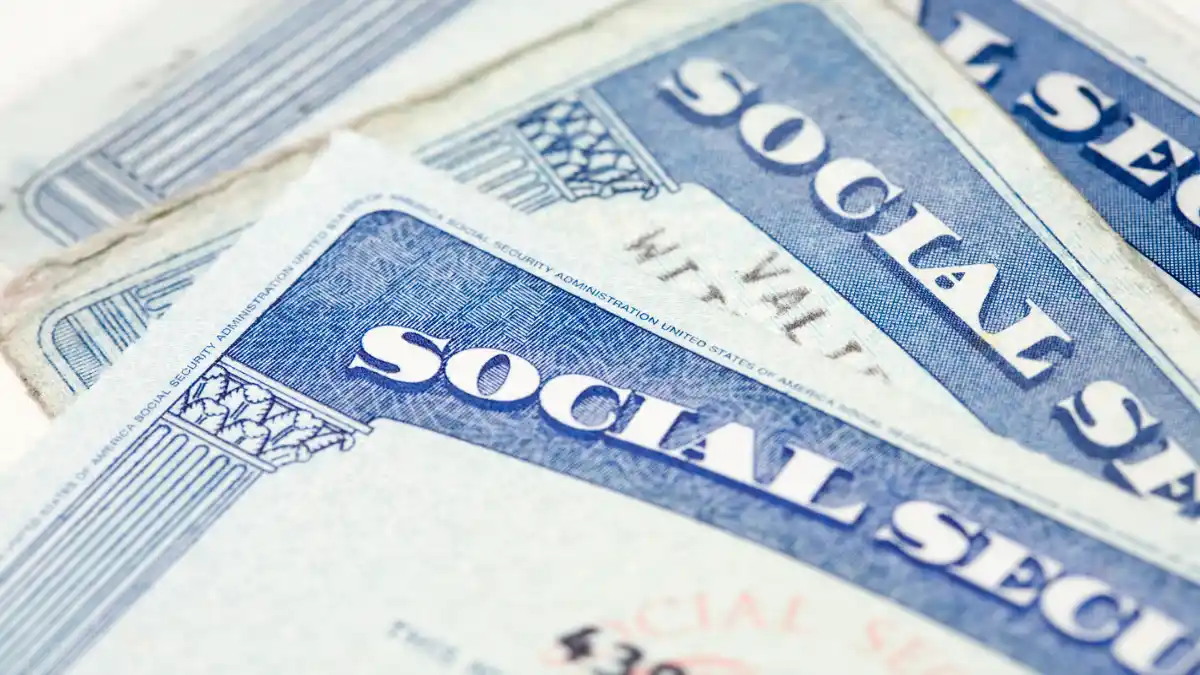
Millions of Americans depend on Social Security benefits as a major source of retirement income. However, many people who choose to claim their benefits early may face a serious financial disadvantage because of certain Social Security rules. Experts are now warning that early filers could experience what many are calling a “double financial blow.”
Claiming Social Security before reaching full retirement age may seem attractive for individuals who need immediate income, but it can significantly reduce monthly payments and create additional financial challenges later in retirement.
This article explains how the Social Security system affects early filers, why the penalties can be costly, and what retirees should understand before making a claiming decision.
What Is Social Security?
Social Security Administration manages retirement, disability, and survivor benefits for millions of Americans. Workers earn Social Security credits throughout their careers by paying payroll taxes.
Once eligible, individuals can begin claiming retirement benefits as early as age 62, but the timing of the claim plays a major role in determining the monthly payment amount.
What Is Full Retirement Age?
Full Retirement Age (FRA) is the age at which a person becomes eligible to receive 100% of their Social Security retirement benefit.
| Birth Year | Full Retirement Age |
|---|---|
| 1955 | 66 years + 2 months |
| 1960 or later | 67 years |
Claiming benefits before FRA permanently reduces the monthly payment amount.
Why Early Filers Face a “Double Financial Blow”
Financial experts describe the situation as a double hit because early filers may face two major disadvantages at the same time:

1. Reduced Monthly Benefits
The first penalty comes from claiming benefits early.
For example, if someone claims benefits at age 62 instead of waiting until full retirement age, their monthly payment can be reduced by as much as 30%.
That reduction remains permanent for life.
2. Earnings Limit Penalty
The second financial problem affects retirees who continue working while collecting Social Security before full retirement age.
If earnings exceed the annual income limit, part of the Social Security benefit may be temporarily withheld.
This creates a second layer of financial pressure for early claimants who still rely on employment income.
How the Earnings Limit Works
The Social Security Administration applies an earnings limit to beneficiaries below full retirement age.

| Situation | Rule |
|---|---|
| Below Full Retirement Age | Benefits may be reduced if income exceeds annual limit |
| Reaching FRA Year | Higher earnings limit applies |
| After Full Retirement Age | No earnings limit |
This rule mainly affects people who retire early but continue working part-time or full-time.
Example of the Financial Impact
Imagine a worker eligible for:
- $2,000 monthly benefit at full retirement age
If they claim at age 62:
- Benefit may fall to around $1,400–$1,500 per month
If they continue working and exceed the earnings limit:
- Some benefits could also be withheld temporarily
As inflation and healthcare costs continue rising, this reduction can significantly affect long-term retirement security.
Why Many Americans Claim Early
Despite the financial disadvantages, millions of people still choose early filing for several reasons:
- Health concerns
- Job loss
- Financial emergencies
- Lack of retirement savings
- Fear of future policy changes
For many retirees, immediate income feels more important than maximizing future monthly benefits.

The Long-Term Retirement Risk
Experts warn that claiming benefits early may create long-term problems, especially for retirees who live longer than expected.
Smaller monthly payments can make it harder to cover:
- Housing expenses
- Medical bills
- Prescription drugs
- Inflation-related costs
- Emergency spending
The impact becomes even more serious in later retirement years.
Delayed Retirement Credits Can Increase Benefits
While early filing reduces payments, delaying Social Security can increase benefits.
Individuals who wait beyond full retirement age can receive delayed retirement credits up to age 70.
| Claiming Age | Benefit Impact |
|---|---|
| 62 | Reduced benefits |
| FRA | Full benefits |
| 70 | Maximum monthly benefits |
Waiting longer can result in substantially larger monthly payments.
Inflation and Retiree Challenges
Inflation continues to affect retirees across the United States. Rising prices for food, housing, utilities, and healthcare have increased financial pressure on seniors.

For early filers with smaller Social Security checks, managing these costs can become increasingly difficult.
Financial Planning Is Becoming More Important
Retirement experts recommend careful planning before filing for Social Security.
Important factors include:
- Health condition
- Life expectancy
- Savings level
- Employment plans
- Family financial needs
A claiming strategy can greatly affect long-term retirement income.
Common Mistakes Early Filers Make
| Mistake | Risk |
|---|---|
| Claiming too early without planning | Lower lifetime benefits |
| Ignoring earnings limits | Temporary benefit reduction |
| Underestimating healthcare costs | Financial strain |
| Depending only on Social Security | Limited retirement flexibility |
Understanding the rules can help retirees avoid costly decisions.
Should Everyone Delay Benefits?
Not necessarily. The best claiming age depends on personal financial circumstances.
For example:

- Individuals with serious health concerns may choose early filing
- Those with strong savings may benefit from waiting longer
- Married couples often need different claiming strategies
There is no single answer that works for everyone.
Social Security’s Future Remains a Major Topic
Concerns about the future of Social Security continue to grow as lawmakers debate possible reforms.
Many Americans worry about:
- Future funding shortages
- Retirement age changes
- Benefit adjustments
- Tax increases
These concerns sometimes influence people to claim benefits earlier than planned.
Final Conclusion
The Social Security rule affecting early filers can create a significant financial challenge for retirees. Reduced monthly benefits combined with earnings-related penalties may result in what experts describe as a “double financial blow.”
While early filing may help people facing immediate financial needs, it can reduce long-term retirement security. Understanding the rules, planning carefully, and evaluating future financial needs are extremely important before making a Social Security claiming decision.